

 Slow Down
Be humble, have courage and start slowly. Many instructors express concern about wanting to know exactly what to do with a spinal asymmetry client as soon as they walk in the door. Avoid the temptation to break it down into 2 curve, 3 curve, 4 curve protocol. If the person is young and beautiful, or an older powerful person, watch out for the halo effect. Take a deep breath. Just like any of our clients, it takes time to get to know someone and see beneath the surface.
Think Globally
Look at the whole person. At first glance, only the largest parts of the situation may grab our attention, but that might not be the best place to start. Indeed, when a volunteer comes into one of my courses as a guinea pig, I have to make quick executive decisions about where I can help that person the most in one clean shot. Yet the beauty of our method is that we have time. We develop relationships. They will remember how they feel after they left, not if the curve aggressively changed twenty degrees in one session.


Assess & Align
Emphasize their posture. Well, isn’t working with scoliosis attending to posture? Not really. It’s like the proverbial elephant in the room. Fact is, working on their sway back, forward head or hyperextended knees goes a long way in taming spinal asymmetry. Once you are comprehensively trained, you have those skills. Trust them and use them.
Keep Learning
Accept that the client sees you as an expert. Like it or not, Pilates is well known for back care. Unfortunately, to whom much is given, much is expected. When I started my practice, I realized I was going to be accountable. So are you. We don’t have to have all the answers, yet the answers do reveal themselves when we do diligence, get educated, and do our best. Yes, it’s a tall order. Many programs exist to equip Pilates instructors in special populations. Why are there so many of us in education? Because there is a great need.
Keep the Faith!
Suspend judgement for the outcome. True, I would love to cure all those with any spinal issue, but it just doesn’t work that way. The important thing is to offer hope and encouragement and let the course unfold. We help someone improve the things they do in life and give them tools to help discomforts that invariably will come their way. Most of the population will experience back pain and those with spinal asymmetry and scoliosis are no exception. Yes, I am disappointed when clients actually need surgery, but the fact is, few do. My recommendation is to become as equipped as possible if you have an interest in this area. Pick someone and study with them. Science now backs us up. It’s a great place to be. I have faith in you.

All ideas and assertions expressed in The CORE are those of the individual contributors, offered to spark conversation, enrich understanding/inspire growth and share diverse perspectives within our community. They may not necessarily reflect the views of Balanced Body®.
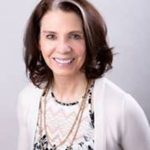
Dr. Suzanne Martin’s interest lies in the field of human movement and potential. A doctor of physical therapy, exercise physiologist and a gold-certified Pilates expert, she is an international presenter, coach and mentor, as well as an award-winning author and video producer. Dr. Martin’s aesthetic for movement started in the visual arts and dance. She is a performing arts specialist, working with Smuin Ballet for over 20 years. Now in its 18th year, she is Founder of Pilates Therapeutics LLC, an educational organization for movement instructors and therapists. Look for her current Handspring Publishers book, Spinal Asymmetry and Scoliosis; Movement and Function Solutions for the Spine, Ribcage, and Pelvis, out in 2018. Special population certification mentoring programs, host site teaching, and instructional videos (available for CE credit), featuring the therapeutic application of the Pilates Method and nutrition are available worldwide. For further information, go to www.pilatestherapeutics.com.
