
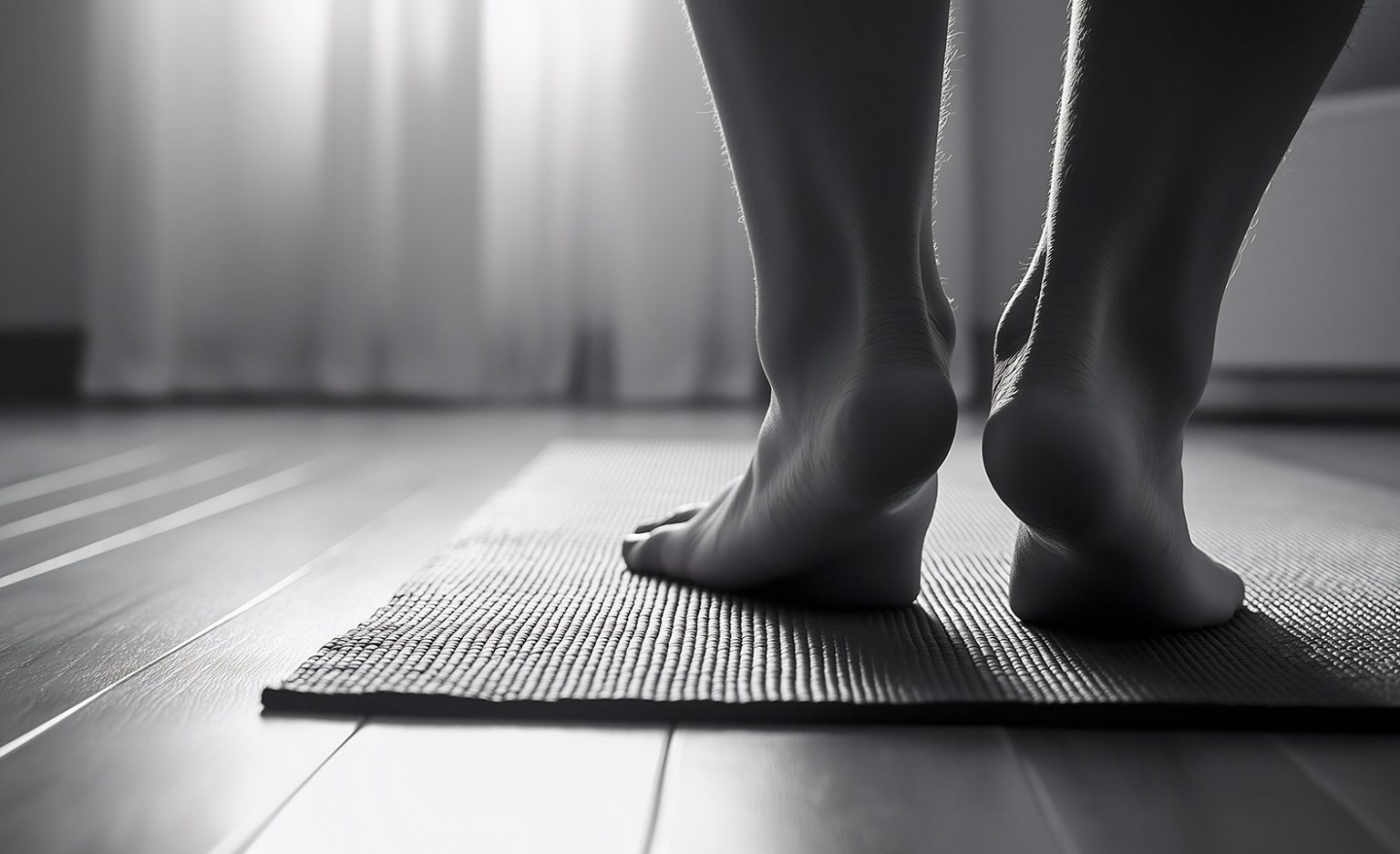
Bunions and Bunionettes
Bunions, or hallux valgus, are a progressive musculoskeletal deformity characterized by lateral deviation of the hallux and medial prominence of the first metatarsophalangeal (MTP) joint. I personally suffered from a bunion and a bunionette (located on the 5th metatarsal). The doctor’s solution? “Well, we can cut off your pinky toe; you don’t really need it.” At that time, I didn’t know why I needed it, but I knew I needed it! This was the impetus for my specialization in foot and gait. In my experience at that point, I had not been taught much about the feet. I went to Kathy Grant and asked her if the feet were important to Joseph because I hadn’t learned much about them through the work at that point. She said of course they were! So, my journey began to find out more about the feet and to prevent surgery, as I had seen many failed bunionectomies.
While often perceived as a cosmetic concern, bunions have profound biomechanical implications, particularly in gait mechanics. There are many different reasons a bunion may form. I hear people say all the time that their bunion is genetic; my mom and grandmother had one, so it must be genetic. I have never seen a baby born with a bunion! Although bunions are rarely congenital, movement patterns acquired through familial gait modeling may predispose individuals to their development over time. More common causes are neuromuscular adaptations, improper footwear, and abnormal loading patterns. Bone builds with stimulation; look for what might be causing friction on the first joint.
The foot is a complex structure responsible for both load absorption and propulsion. The bones in the foot must be able to spread to load the spring to propulse forward. The presence of a bunion alters the structural integrity and functional biomechanics of the foot.
The big toe or “first ray” plays a pivotal role in terminal stance and pre-swing phases of gait, where it contributes to propulsion via the windlass mechanism. In individuals with bunions, lateral deviation of the hallux reduces its capacity for dorsiflexion, thereby limiting its engagement in the push-off phase. This functional impairment leads to compensatory loading strategies and inefficiencies in forward propulsion. To mitigate discomfort, individuals with bunions often exhibit altered gait patterns.
Lateral Foot Loading: Increased reliance on the lateral metatarsals and peroneal musculature to offload the first ray, leading to excessive strain on the lesser metatarsals and potential overuse injuries such as metatarsalgia.
Reduced Push-Off Force: Inhibited hallux dorsiflexion diminishes plantarflexion force at terminal stance, compromising step length and gait efficiency.
Proximal Compensation: To accommodate altered foot mechanics, compensatory mechanisms may develop proximally, manifesting as altered knee kinematics, hip dysfunction, and even lumbopelvic instability.
Progressive degenerative changes in the first MTP joint lead to stiffness and decreased joint mobility, disrupting the normal roll-through phase of gait. This limitation may contribute to secondary dysfunctions, including restricted hip extension, reduced ankle dorsiflexion, and compensatory plantar flexor hyperactivity. Notably, a correlation between hallux valgus and pelvic floor dysfunction has been suggested, highlighting the systemic implications of altered lower extremity biomechanics.
Addressing proximal dysfunctions is essential, given the interconnected nature of lower extremity mechanics. Look for restricted hip extension which can alter gait kinematics, contributing to compensatory foot pronation and medial whip, creating a bunion. Look and see if there is an appropriate amount of dorsiflexion; adequate talocrural mobility is essential for optimal foot loading and push-off mechanics. The soleus plays a crucial role in postural stability and force distribution through the midfoot and must have proper strength and length.
The biomechanical disturbances associated with bunions elevate the risk of various overuse injuries, including:
Plantar Fasciitis: Compromised medial arch mechanics alter load distribution, placing excessive strain on the plantar fascia.
Medial Tibial Stress Syndrome (Shin Splints): Altered pronation mechanics and compensatory tibial rotation increase stress along the medial tibial border.
Iliotibial Band Syndrome: Gait compensations may contribute to excessive lateral knee loading, exacerbating IT band friction.
What can we do for our clients with bunions? Addressing the biomechanical dysfunction associated with bunions requires a multifaceted approach targeting intrinsic foot strength, joint mobility, and footwear considerations.
Footwear Modifications:
Optimal footwear selection is paramount in alleviating bunion-related dysfunction.
Wide Toe Box: Accommodates natural toe splay, reducing compressive forces on the first MTP joint.
Minimalist/Barefoot-Style Shoe: Enhances proprioceptive feedback and allows the foot to function dynamically, promoting natural loading patterns.
Fully Flexible Sole: Prevents excessive restriction of the foot’s natural movement and maintains intrinsic foot muscle engagement.
Rethinking Orthotic Intervention!
While orthotic devices are frequently prescribed for bunion-related discomfort, their efficacy in restoring natural foot mechanics remains controversial. Rigid orthotics may inadvertently inhibit the foot’s dynamic function by restricting the natural drop of the navicular bone, thereby disrupting the windlass mechanism. I personally think they make the situation worse. Orthotics should be thought of like crutches, only used when needed. When you immobilize the foot, the movement that was meant to happen there goes into the ankle, knee, hip, or further up the chain. Your feet are your dynamic base of support; when immobilized, the muscles atrophy and compromise the entire system.
Surgical Interventions.
In cases of severe hallux valgus deformity with persistent pain and functional limitation, surgical correction (bunionectomy) may be warranted. However, it is critical to address underlying biomechanical contributors to prevent recurrence post-surgery. Merely excising the bony prominence without addressing neuromuscular imbalances and gait mechanics may lead to symptom recurrence.
Bunions extend beyond a localized foot deformity; they represent a broader biomechanical dysfunction affecting gait efficiency and lower extremity kinematics. By comprehensively analyzing the interaction between bunions and gait mechanics, clinicians and movement specialists can implement targeted interventions to optimize foot function, alleviate discomfort, and prevent secondary musculoskeletal complications. Addressing underlying movement restrictions and restoring proper foot biomechanics is crucial for long-term functional outcomes. Although calcification at the first MTP joint cannot be reversed, realigning the hallux and reinforcing foot musculature can significantly enhance foot function and overall gait efficiency.
Exercises for home:
Foot Releases with the Fabulous Feet Kit
KT Tape
Slant board
Heel raises with rubber bands or toe separators
Toe Spread and Splay, Short Foot
Mini Bosu Basics to strengthen
One of the best ways to address bunions is by doing exercises on the Balanced Body CoreAlign:
Calf Stride Series: Calf Stride, Soleus floss, Calf power, Scooter
Hoof
Lunge Series off the back of the CoreAlign
Foot Slides with precision rotator discs
I implemented this program on my own feet, and while the calcification is still there, now that my feet are in better shape, the bunion and bunionette did not increase in size, and the inflammation went down, so I now live pain-free. Through my studies, implementing the release, stabilize, strengthen method, along with giving up heels and adopting barefoot shoes, over a period of time, I was able to strengthen my feet so the metatarsals now stay in alignment, and my whole body benefited as a result.
Happy Walking!
All ideas and assertions expressed in The CORE are those of the individual contributors, offered to spark conversation, enrich understanding/inspire growth and share diverse perspectives within our community. They may not necessarily reflect the views of Balanced Body®.

EHS Pilates, Balanced Body Master Instructor
Nancy Myers is the Co-owner and CEO of EHS Pilates, Inc. in San Francisco, CA. She is a Certified Senior Pilates Trainer with special focus on Gait Therapy. Nancy is also a faculty member of EHS Pilates Institute, Balanced Body, MBT Trainer/ Educator, and Director of EHS Pilates Institute’s International Teacher Training Program and Retreats. Specialties: » Postural alignment » Essential Posture and Gait patterning » Common foot problems with corrective protocols » Pilates-based rehabilitation » Author of “Fabulous Feet” and Walkilates. History of Pilates Experience: Nancy was introduced to Pilates at St. Francis Dance Medicine Center by Elizabeth Larkam in 1989 after injuring both knees from years of teaching dance and running. In 2000, she certified with Ellie Herman Studios in San Francisco. Nancy has extensive knowledge in anatomy and kinesiology. She has dedicated her Pilates career to an emphasis on posture and gait analysis and how it applies to the Pilates work. Nancy has experience teaching all types of fitness populations including dancers, professional athletes, pre and post natal, senior citizens, and clients with injuries and special issues. Nancy is also a certified personal trainer and group exercise director. She has a BS in International Business and is currently working on her masters in Holistic Nutrition.
